

This interview is part of an ongoing series profiling the members driving The Ivors Academy’s Councils – a unique part of our structure that puts creators at the heart of the organisation. These conversations offer insight into the voices shaping our work and championing your interests across the music industry.
Will Davenport is a composer and a valued part of The Ivors Academy team, where he supports its Membership Councils. Will began his composing journey through piano lessons and a love of remixing on GarageBand, and he’s still driven by collaboration, curiosity and a bit of creative chaos.
Now, he splits his time between writing music and helping shape the Academy from the inside – keeping members connected and the work moving forward.
What first drew you to composing music?
There were two major moments! When I started piano lessons, I realised I much preferred making it up as I went along rather than reading music. I started playing my made-up pieces to my piano teacher and she urged me to start writing them down. The second moment was downloading GarageBand, I became obsessed with recording, experimenting and exploring different electronic and acoustic sounds.
I was very lucky to have an encouraging piano teacher who was interested in my electronic stuff as much as my piano playing, so I'd bring my laptop to my piano lessons. I even wrote a piece for her to play violin for, and we recorded it in my lesson. So, my piano lessons gradually became composition workshops!
What does your creative process look like at the moment?
I'm currently working on a remix for a friend, their artist name is 'Axil./'. I love remixing other people's work, it's such an intimate process – you're handed the raw ingredients of a track, laid bare, and the exciting challenge is to find something new to say, to unlock a new feeling. That's why I often choose a track I want to remix; it really has to speak to me on an emotional level.
I always have a vague idea in my mind of what I'd like to say or do with a track, and almost always the end result is completely different. The surprises along the way are the most exciting part of the process for me, If I make a mistake and it's kind of cool, or Ableton does something I didn't expect (which happens a lot). I have a friend who vows that there are no mistakes in music-making. I love this. I love exploring the friction between something sounding very organised and polished with something a little uncertain and indeterminate. I'm really into music that contains a little bit of chaos.
The main motivational energy for me to create is collaboration, I love making things for and with friends, I love working with performers I get on with and exploring their instrument and actively write for the people I know. I also need a deadline, I'm a bit of a perfectionist, so doing something for someone keeps me accountable and gets things finished; otherwise, I'll keep tweaking ‘til the cows come home.
Which composers do you admire and why?
I'm obsessed with the Canadian composer Owen Pallett, also known as Final Fantasy. I admire their work on so many levels, primarily because their career is what I see myself doing - they work as a film composer, an arranger for artists, a session musician and an indie composer/songwriter in their own right. They do a bit of everything! They've released a few Baroque pop records, often fusing big orchestral arrangements with electronics and intimate songwriting. It's hard to label genre-wise or put it into one musical space - is it for the concert hall or a pub or club? I think that's why I love it. Oh, and they were also in Arcade Fire!
I also love Cristobal Tapia De Veer for his soundtracks and experimental sampling, his work is so playful and unhinged. From a more classical point of view, I'm currently listening to a lot of Poulenc. One of my favourite pieces is the Concerto for Two Pianos and Orchestra. I love his sense of humour as a composer and his emotional directness. I'm always struck by the end of the first movement, how everything falls away into one simple minimalist idea, and I'm amazed this happens three decades before the whole Minimalist movement even began.
What led you to work at The Ivors Academy alongside composing?
I joined the Academy as a member at the start of lockdown, and it became a lifeline for me as a composer throughout that bizarre time. I was part of the Academy's Youth Network (now the Early Career Council) and was the founder of the LGBTQI+ Forum. I got more involved and engaged as an advocate, supporting an LGBTQI+ research project into the industry called MUSIC+.
Over time, this all led to me working as a freelance for the Academy, supporting the admin for Councils, and then over the space of a year this expanded into a part-time job as a member of the team.
What does your role supporting the councils involve?
I support and coordinate our councils, which are a key part of the Academy's governance. These groups feed into our Senate, Committees and Board of the Academy. I help set agendas for the meetings, keep everyone in the loop and offer support in case anyone has any questions. I keep track of what is discussed and pass everything back to the amazing team.
As a composer myself I love connecting with other members, it's a very collaborative and sociable job as well as an administrative one. It always ties back to the fact that everyone has one common goal to improve the lives and rights of songwriters and composers.
How has being part of The Ivors Academy community influenced your journey so far?
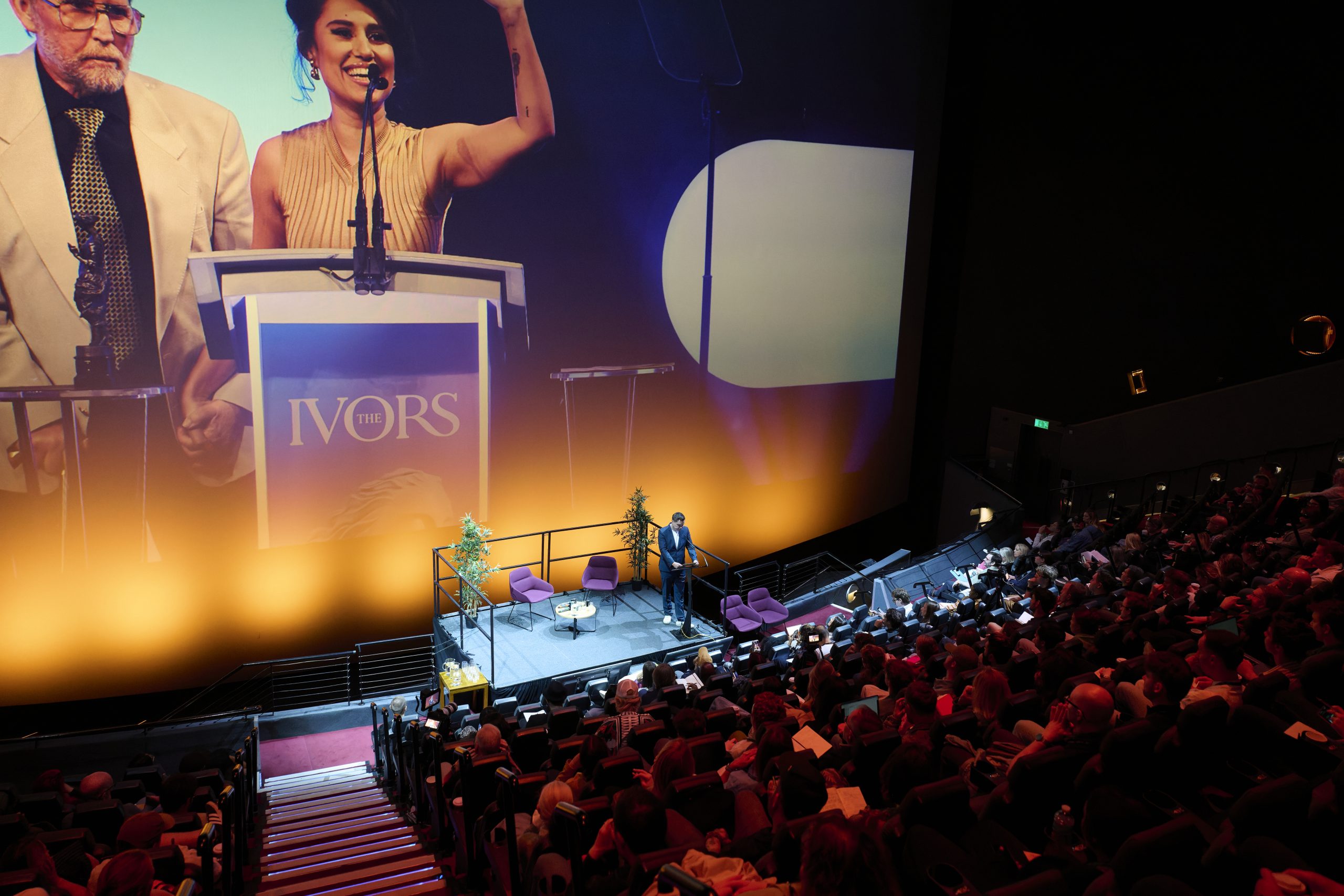
I have made some amazing friends and collaborators during the past five years as a team member. I've also gained confidence as a public speaker, I was incredibly honoured to be asked to interview the winning composers at The Ivors Classical Awards 2024.
And as a composer I think it's helped to demystify the industry. I've learned with time that there are so many different paths and routes to becoming a professional composer.
What excites you most about the Academy’s direction and new ways for composers to join?
I'm excited to see how the new Discovery tier can make the Academy more accessible for Composers. The Academy's advocacy work relies upon the weight of its membership; it's a great time to join to help inspire change within the industry. Oh, and the new discounts are sick!