The motion, tabled by Aengus Ó Snodaigh TD, recognises the urgent need for action to protect songwriters, composers, performers and other creators from the unauthorised use of their work by generative AI systems.
IMRO, The Ivors Academy and Screen Composers Guild of Ireland have worked collectively to highlight the impact of generative AI on music creators and to call for a clear framework based on consent, transparency, licensing and fair remuneration. The organisations said the Dáil’s support sends a strong signal that Ireland values human creativity and is prepared to stand with creators at a pivotal moment for copyright and culture.
The motion calls for action at both national and European level, including measures to protect copyright in the age of AI, ensuring creators are fairly remunerated when their works are used, providing meaningful transparency around AI training data, supporting effective opt-out and licensing mechanisms and ensuring that public funding continues to support human creativity. The three organisations said the motion must now be followed by concrete action to ensure that copyright frameworks remain fit for purpose in the age of AI and that creators retain meaningful control over how their work is used.
Victor Finn, IMRO CEO, said: “The passing of this motion is a very welcome recognition of the serious threat that unlicensed and unregulated AI poses to Ireland’s music creators. Copyright is not an obstacle to innovation, it is the foundation that allows creators to earn a living from their work. Ireland’s songwriters, composers and publishers must have the right to decide how their work is used, to know when it has been used and to be fairly compensated for that use.”
Catherine Martin, Head of Policy, Ireland of The Ivors Academy said: “This is a significant milestone for songwriters and composers. Generative AI cannot be built on the uncompensated work of creators, nor should it be allowed to flood the market with content that competes directly with the very people whose works were used to train it. The principles are simple: consent, transparency and fair pay.”
Sarah Glennane, CEO of the Screen Composers Guild of Ireland, said: “Screen composers are already working in a rapidly changing creative economy. AI tools must not be allowed to undermine professional creative work, weaken cultural diversity or erode the value of original composition. We welcome the Dáil’s recognition that creators must be at the centre of AI policy.”
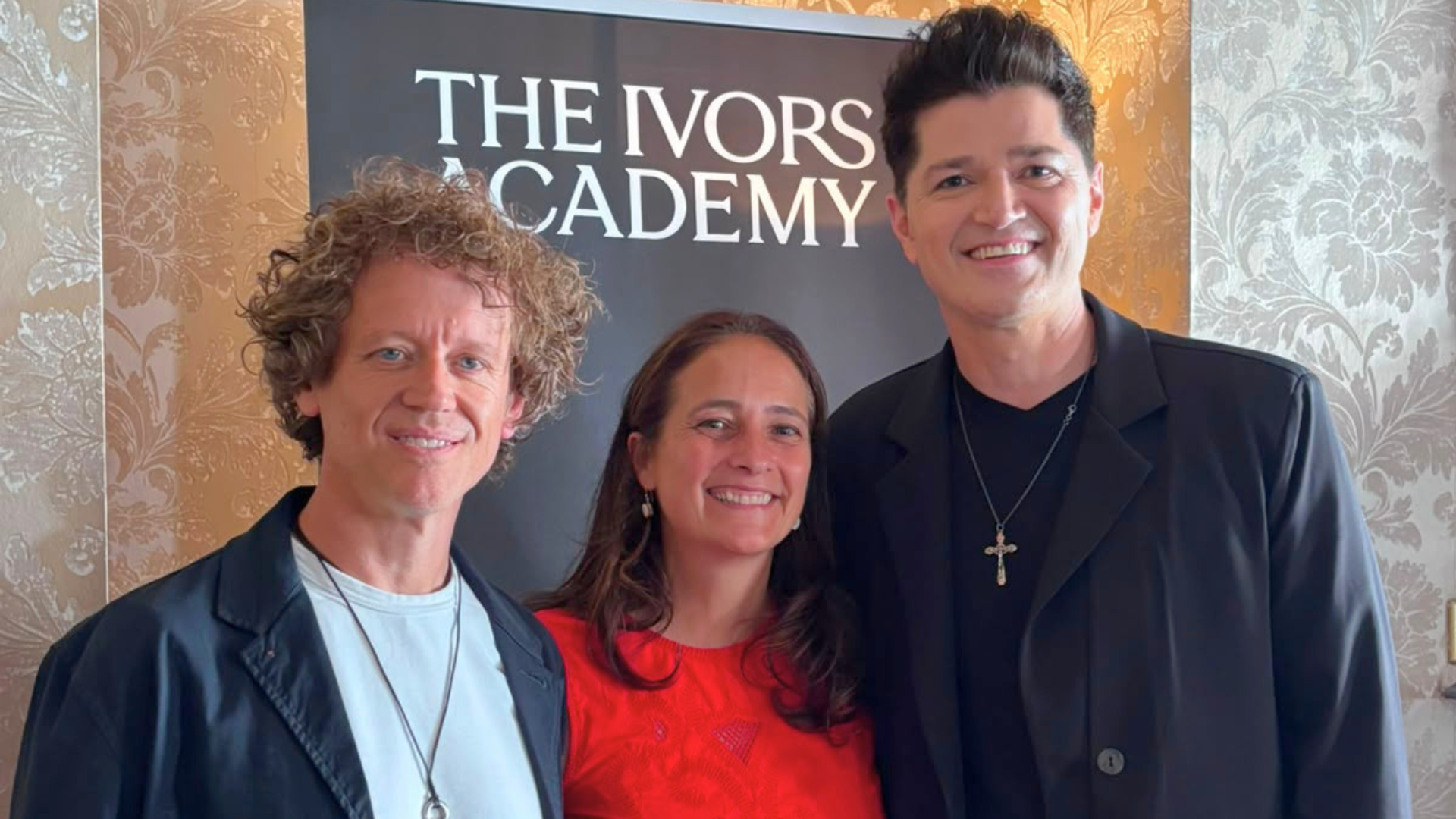
The organisations also welcomed the strong backing of Irish artists, music creators and representative bodies ahead of the debate. A briefing at Leinster House, attended musicians and songwriters including The Script's Danny O'Donoghue, highlighted the growing impact of AI on creative careers.
Danny O'Donoghue from The Script said: “I found out recently that 125 of my songs along with 21 million others have been scraped and used by AI companies. There’s been no transparency, no compensation and no opt out. This motion was about making everyone aware that our industry is under attack and getting the political support we need.”
Ireland now has an opportunity to show leadership during its Presidency of the Council of the European Union by placing creators’ rights at the heart of the European AI and copyright agenda.
IMRO, The Ivors Academy and the Screen Composers Guild of Ireland said they will continue to work with Government, Oireachtas members, EU institutions and the wider creative sector to ensure that creators’ rights are fully reflected in AI policy and copyright enforcement.
The three organisations jointly stated: “Ireland has a proud global reputation for music, songwriting, composition and storytelling. That reputation is built on human creativity. We urge Government to build on the momentum created by this motion and to move quickly towards meaningful protections to ensure AI develops in a way that respects creators, sustains livelihoods and supports the future of Irish culture.”